


Winter Driving Survival Guide: Essential Safety Tips for Canadian Roads
Canadian winters are as iconic as they are intense. Snow-packed highways, icy intersections, sudden whiteouts, and hidden black ice make driving during the colder months a serious safety concern rather than a simple seasonal inconvenience. Whether you’re commuting through urban slush or navigating remote snow-covered routes, preparation is key. This Winter Driving Survival Guide outlines practical strategies, maintenance reminders, and emergency preparedness tips to help you stay safe and confident on Canadian roads all season long.
Understand the Unique Challenges of Canadian Winter Roads
Winter in Canada brings a blend of severe weather conditions that affect driving in different ways. Heavy snowfall reduces visibility and can hide lane markings. Ice and black ice—often invisible until it’s too late—turn normally safe roads into slippery hazards. Meanwhile, freezing temperatures can impact your vehicle’s performance, from battery power to tire traction. Recognizing these risks allows you to adjust your driving habits early and remain alert in unpredictable conditions.
Prepare Your Vehicle for Harsh Winter Conditions
Before winter fully arrives, it’s crucial to make sure your car is cold weather ready. This starts with switching to winter tires, which offer significantly improved grip in cold temperatures and on icy surfaces. Winter tires remain flexible in frigid weather, unlike all-season tires that harden and lose traction.
Cold weather also puts extra strain on your engine, battery, and fluids. Check your battery’s charge before temperatures plunge, as weak batteries often fail at the most inconvenient moments. Top up essential fluids, including antifreeze, windshield washer fluid rather for sub-zero temperatures, and engine oil for suitable winter use.
If you’re unsure where to begin, consider getting your car professionally checked by a trusted technician. Many auto repair shops offer winter inspection packages that cover critical areas such as brakes, heating systems, belts, and hoses. These checks can reveal small problems before they become dangerous or costly failures in the middle of a winter storm.
Practice Safe and Strategic Driving Techniques
Even the most well-maintained vehicle needs a cautious driver when winter weather hits. Adjust your speed to match road conditions rather than relying on posted limits. Snow and ice can dramatically reduce stopping distances, so leave extra space between your vehicle and the one ahead.
Steering and braking should be done smoothly to avoid skidding. If your vehicle begins to slide, resist the urge to brake suddenly. Instead, steer gently in the direction you want to go and ease off the accelerator. On hills, maintain a steady momentum instead of accelerating hard or stopping abruptly, which can cause loss of control.
Visibility is another major challenge during Canadian winters. Keep your headlights on during snow, freezing rain, or cloudy conditions—day or night—to ensure you can see clearly and be seen by others. Regularly clear snow and ice from all windows, mirrors, lights, and the roof of your car. Snow blowing off a moving vehicle can endanger other drivers, and in many regions, failing to clear your vehicle properly can result in fines.
Pack a Well-Stocked Winter Emergency Kit
Preparation doesn’t end with your vehicle’s maintenance. Every winter driver should carry a fully stocked emergency kit. Weather in Canada can turn quickly, and being stranded without essentials can be dangerous.
Your winter emergency kit should include:
- A snow brush and ice scraper
- Jumper cables
- A small shovel
- A bag of sand or non-clumping kitty litter for traction
- Warm clothing, blankets, and gloves
- A flashlight with extra batteries
- High-energy snacks and bottled water
- A first-aid kit
- A phone charger or portable power bank
- Road flares or reflective triangles
Additionally, keep at least a half tank of fuel at all times. This reduces the risk of fuel lines freezing and ensures you can safely run the heater if you are stopped or delayed.
Know When Not to Drive
One of the smartest winter driving strategies is recognizing when staying home is the safest choice. If weather alerts warn of blizzards, extreme cold, or dangerously icy conditions, consider postponing your trip. Modern weather forecasting and road-condition apps provide valuable real-time information to help you make informed decisions.
If you must travel, share your destination, route, and estimated arrival time with someone you trust. This simple step can be invaluable if you encounter trouble.
Navigating Canadian winter roads requires preparation, caution, and respect for the unpredictable conditions that come with the season. By ensuring your vehicle is winter-ready, practicing safe driving habits, and carrying essential emergency supplies, you can greatly reduce risks and travel with confidence. Winter weather may be unavoidable, but with the right approach, you can handle whatever the road throws your way and arrive safely at your destination all season long.

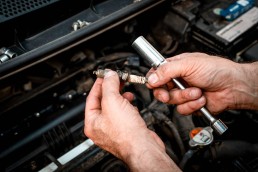
Spark Plugs Made Simple: What They Do and When to Change Them
If you’ve ever opened the hood of your car and felt a little overwhelmed, you’re not alone. Modern vehicles are packed with technology, but some components are surprisingly simple once you understand their purpose. Spark plugs are a perfect example: they’re small, inexpensive, and easy to overlook, yet they play a huge role in engine health and performance. Whether you’re learning basic auto repair skills or building the ultimate car maintenance checklist, understanding spark plugs is a great place to start.
What Are Spark Plugs?
Spark plugs are small devices located in the cylinder head of gasoline engines. Their job is to ignite the mixture of air and fuel inside the engine using an electrical spark. This tiny explosion pushes the pistons down, creating the power needed to move your vehicle. Without properly functioning spark plugs, your engine will struggle to start, run unevenly, or lose efficiency. While you may not see spark plugs often, they work constantly to keep your vehicle running smoothly.
To better understand the role spark plugs play, it helps to know the difference between gas and diesel engines. Gasoline engines require spark plugs to ignite the fuel mixture while diesel engines use compression alone to create ignition, meaning they generally do not need spark plugs. This difference is why diesel engines sound, feel, and operate differently from gasoline engines. For gasoline-powered cars, spark plugs are not optional; they are absolutely essential.
Why Spark Plugs Matter for Performance
Good spark plugs ensure your engine burns fuel efficiently, which affects power, emissions, and fuel economy. When they are working properly, you get smoother acceleration, quieter running, and more reliable starting. Worn plugs, on the other hand, can lead to multiple inconvenient and costly issues: rough idling, poor gas mileage, misfiring, sluggish acceleration, and difficulty starting in cold weather. In extreme cases, neglected spark plugs can damage the catalytic converter, an expensive emissions component.
For anyone seeking to minimize repair costs, spark plug maintenance is a smart preventive step. Many mechanics would consider spark plugs one of the basics to check when you’re planning to drive long distance, especially if your vehicle has shown recent performance changes such as hesitation or strange vibrations. Replacing spark plugs on time also reduces stress on ignition coils and the battery, helping other systems last longer.
When Should You Replace Spark Plugs?
The recommended replacement interval varies, but most modern spark plugs last between 50,000 and 160,000 km depending on type and design. Copper plugs generally wear out fastest, while platinum and iridium plugs tend to offer longer lifespan and improved durability. Your vehicle owner’s manual remains the best source for exact timing, but there are several signs you can watch for:
- Increased fuel consumption
- Noticeable engine roughness
- Hard starting
- Check engine light
- Reduced power or slower acceleration
- Engine misfire sounds or vibrations
If you experience any of these symptoms, replacing spark plugs could be an affordable first step before exploring more complicated auto repair options.
How Spark Plugs Fit Into Routine Vehicle Care
Spark plug checks pair well with basic maintenance tasks like air filter replacement, oil changes, and battery inspection. If you enjoy DIY vehicle projects, spark plug replacement is one of the first jobs many beginners learn, requiring only simple tools and caution. However, if your vehicle has a complex engine layout or limited access, it may be best to leave the job to a professional.
Alongside tires, fluids, brake components, and belts, spark plugs represent a vital part of long-term engine reliability. Because they often last for tens of thousands of kilometres, they can be forgotten until problems arise, so placing them on a scheduled maintenance chart and in your ultimate car maintenance list helps ensure you never overlook them.
Spark plugs may be small, but they have a big impact on how well your car performs. By understanding what they do, recognizing the signs of wear, and knowing when to replace them, you can prevent bigger engine problems and drive with greater confidence. Whether you’re learning basic auto repair skills, reviewing the difference between gas and diesel engines, or building your car maintenance list, spark plug knowledge is an important part of becoming a more informed vehicle owner. Keep them in good condition, and your car will reward you with smoother, cleaner, and more efficient driving.
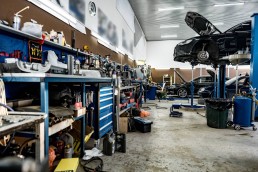
Rust Never Rests: How Corrosion Slowly Destroys Your Car
When it comes to keeping your car in good condition, many drivers focus on oil changes, brakes, or tires. Yet one of the most persistent and damaging threats is far less obvious: rust. Corrosion creeps in slowly, often unnoticed, until the damage is extensive and expensive to repair. Understanding how rust forms and spreads and how regular cleaning and maintenance can stop it can help you preserve your vehicle’s value and safety for years to come.
How Rust and Corrosion Begin
Rust forms when iron or steel reacts with oxygen and moisture. Add in road salt, mud, and grime, and the process accelerates dramatically. In areas with harsh winters or coastal climates, the mix of salt and moistures acts like a catalyst, eating away at metal surfaces much faster. Even small scratches or chips in your paint can become entry points for moisture, allowing rust to spread underneath the surface where you can’t see it.
Once corrosion takes hold, it doesn’t stop on its own. It weakens the metal, causes parts to seize, and can even lead to structural failure. This slow but steady deterioration is why professional auto repair shops often recommend frequent inspections and cleanings, especially if you drive in wet or salty conditions.
The Most Vulnerable Areas
Some areas of your car are more likely to suffer rust than others. The undercarriage is often the first place corrosion appears because it’s constantly exposed to road spray, salt, and dirt. Left unchecked, rust here can compromise the frame, suspension, and fuel system. Regular power washing is a great defence—it can help blast away buildup that ordinary rinsing can’t reach.
Brake and fuel lines are also at risk. These narrow metal tubes run along the underside of the car, where moisture and grime accumulate. If corrosion weakens a brake line, it can lead to fluid leaks and sudden brake failure. Including these components in your ultimate car maintenance checklist ensures they’re inspected regularly before they become a safety concern.
Another common trouble spot is the battery area. Over time, corrosion can develop around the terminals, forming a powdery or crusty buildup that interferes with the electrical connection. If the corrosion becomes severe, it can prevent your car from starting, forcing you to replace your battery sooner than expected. Keeping the terminals clean and dry is a simple step that can save you both time and money.
Your exhaust system is also highly vulnerable. Constant exposure to heat, moisture, and debris can lead to rust holes, cracks, or detachment from the undercarriage. If you hear new rattling noises or experience reduced performance, you could be facing exhaust system problems caused by corrosion eating through the pipes or muffler. A thorough inspection during routine service can catch these issues early.
Finally, the most visible type of corrosion occurs on body panels and wheel wells. These areas may show bubbling paint or orange-brown streaks where water has seeped under the finish. Once rust breaks through the paint layer, it spreads quickly, leading to unsightly and costly body damage.
How Regular Cleaning Prevents Rust
Keeping your vehicle clean is one of the most effective ways to fight corrosion. Power washing the undercarriage and wheel wells removes salt, mud, and grime that trap moisture against metal surfaces. Pay special attention after winter storms or trips to the beach, as both environments accelerate rust formation.
A good rule of thumb is to wash your car at least twice a month, and more often during seasons when road salt or sand is used. Drying your vehicle thoroughly afterward helps eliminate the lingering moisture that feeds corrosion. Many auto repair shops offer rust-proofing or undercoating services, which create an additional barrier against future damage.
Incorporating Rust Prevention into Routine Maintenance
Rust prevention should be a regular part of your maintenance plan. When you review your car maintenance checklist, include cleaning and inspections alongside oil changes and tire rotations. Check the undercarriage for any flaking metal or discolouration, examine the brake and fuel lines for corrosion, and look for signs of rust under the hood and around the battery. If you notice anything unusual, schedule an inspection right away rather than waiting for a problem to worsen.
Even minor rust spots can expand beneath the surface, and small repairs are typically cheaper than full replacements. Addressing corrosion early can also help avoid related issues like exhaust system problems or damaged battery terminals.
Rust may work quietly, but it never stops working. Fortunately, regular cleaning and preventive maintenance can slow corrosion’s progress. By understanding how and where rust forms and taking simple steps to remove buildup before it causes damage, you’ll extend your car’s lifespan, improve safety, and save money on future repairs.
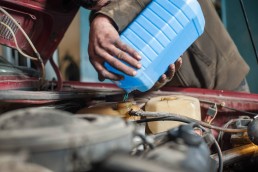
Coolant vs. Antifreeze: What’s the Difference and Why It Matters?
Car maintenance can seem overwhelming, especially with so many fluids and parts to monitor. Among the most misunderstood are coolant and antifreeze. Though often used interchangeably, these two terms refer to different things. Knowing what they are and how they work can help you avoid costly auto repair and ensure your engine performs reliably throughout the year.
Coolant and antifreeze play a vital role in temperature regulation. Whether you’re dealing with freezing winters or hot summers, your engine depends on these fluids to stay within a safe operating range. That’s why it is important to check your fluid levels regularly and know when to refill or replace them.
What is Antifreeze?
Antifreeze is a concentrated chemical solution that prevents your engine’s cooling system from freezing in winter and boiling over in summer. On its own, antifreeze is too strong to use directly. It must be mixed with water to create coolant, usually in a 50:50 ratio. Some products come pre-mixed for convenience.
In addition to managing temperature extremes, antifreeze includes additives that help prevent corrosion and keep components like the water pump lubricated. This added protection helps maintain your engine’s longevity, especially if you follow the correct service intervals.
What is Coolant?
Coolant is the final mixture that goes into your vehicle’s cooling system. It’s made by combining antifreeze with water. Once inside your engine, it circulates to absorb heat and then releases that heat through the radiator. This cycle ensures your engine stays within a safe temperature range.
Coolant is essential all year long, not just during extreme winters. It protects against overheating in summer and freezing in winter. Skipping coolant maintenance can lead to poor engine performance, overheating, or even permanent engine damage.
Why the Difference Matters
Knowing the difference between coolant and antifreeze helps prevent simple but damaging mistakes. Using antifreeze without diluting it can reduce its ability to transfer heat efficiently. Using only water eliminates freeze protection and increases corrosion risk. Mixing incompatible types of antifreeze can also cause harmful chemical reactions inside your engine.
Using the correct coolant mixture and following your vehicle manufacturer’s recommendations will ensure your engine remains protected. Maintaining this system properly reduces the chance of needing expensive auto repair services down the road.
Seasonal Considerations
Coolant maintenance is a year-round responsibility. During summer, high temperatures can put added stress on your engine. If coolant levels are low or if the fluid is degraded, your vehicle is more likely to overheat.
In winter, antifreeze concentration is especially critical. A weak coolant mix can freeze inside your engine and cause cracks or leaks. Before the cold sets in, test your coolant or have it checked by a technician to ensure it offers proper freeze protection.
Flushing and replacing coolant every two to five years is recommended by most manufacturers. If you’re unsure, a qualified auto repair professional can test the coolant’s strength and condition.
Make Maintenance a Habit
To prevent problems before they start, always have a car maintenance checklist to make sure your car runs smoothly. Your checklist should include regular coolant inspections along with other basic tasks like oil changes, tire checks, and brake inspections. Preventive maintenance doesn’t only improve safety—it also saves money by catching small issues before they become major repairs.
To check your coolant level, make sure the engine is completely cool before you open the hood. Locate the coolant reservoir and check that the fluid level falls between the minimum and maximum marks. If the fluid looks rusty, milky, or has particles floating in it, it may be time for a coolant flush. Healthy coolant is typically bright in color. If the coolant levels are low, top off with the correct type of coolant—refer to your owner’s manual for guidance on coolant type and proper mixing or bring your car to your trusted auto repair shop.
A well-maintained cooling system helps your engine run efficiently, improves fuel economy, and supports long-term reliability. Make it a habit to look at your coolant levels at least once a month and before long trips or major seasonal changes.
Coolant and antifreeze serve similar but distinct roles in your vehicle’s cooling system. Antifreeze is the concentrated chemical that prevents freezing and boiling. Coolant is the diluted, ready-to-use fluid that circulates through your engine to keep it at the right temperature.
By understanding the difference and knowing how to maintain both properly, you can avoid engine damage, improve performance, and reduce the risk of unexpected breakdowns. Most importantly, make sure to check your car’s fluid levels regularly as part of routine vehicle care. Stay ahead of potential issues and go through your car maintenance checklist to make sure your car runs smoothly through every season.

Gas vs. Diesel Engines: What's the Difference?
When it comes to understanding your vehicle, one of the most important distinctions is whether your car runs on gasoline or diesel. Although they might seem similar, gas and diesel engines operate quite differently, and each has its own set of advantages and maintenance considerations. Whether you’re purchasing a new vehicle or seeking better care for your current one, understanding these differences is key to long-term performance and helping you avoid an expensive engine overhaul.
How Gas and Diesel Engines Work
Both gas and diesel options are internal combustion engines, which means they generate power by igniting fuel inside the engine. However, the way they ignite fuel differs. Gas engines use spark plugs to ignite an air-fuel mixture. Diesel engines, on the other hand, rely on compressing air to extremely high pressures and temperatures, then injecting fuel into the compressed air, causing spontaneous ignition.
This fundamental difference leads to variations in power delivery, fuel efficiency, and maintenance requirements.
Fuel Efficiency and Power
Diesel engines are generally more fuel-efficient than their gasoline counterparts. This is partly because diesel fuel contains more energy per litre than gasoline and also due to the higher compression ratio in diesel engines. As a result, diesel vehicles can travel farther on the same amount of fuel, which is especially beneficial for long-distance driving or towing.
Gasoline engines, while typically less efficient, tend to be quieter, lighter, and offer quicker acceleration, which appeals to drivers who value a smoother and more responsive ride. If your driving habits involve mostly city commuting or shorter trips, a gas engine may suit you better.
Maintenance Requirements
Maintenance is one area where gas and diesel engines differ significantly. Diesel engines are built more ruggedly to withstand high compression and longer operating lifespans, but they also require specialized maintenance. Diesel vehicles often need more frequent fuel filter changes and are more susceptible to injector problems due to the higher pressures involved in their operation.
Gasoline engines, by contrast, tend to have lower routine maintenance costs and are generally easier (and cheaper) to service. That said, regardless of your engine type, regular auto repair and inspections are crucial to ensure longevity.
To keep your engine running smoothly, it’s vital to have your car professionally inspected at least once a year. Certified technicians can detect early warning signs of trouble and help you avoid larger problems down the road.
Choosing the Right Engine Oil
Oil is the lifeblood of any engine, but choosing the right engine oil varies depending on whether you drive a gas or diesel vehicle. Diesel engines require oil that can handle higher temperatures and heavier soot content. Diesel oil typically has more additives to deal with contaminants and keep the engine clean.
Using the wrong type of oil can lead to poor engine performance and even long-term damage. Always follow the manufacturer’s recommendations and consult with a trusted mechanic if you’re unsure. Choosing the correct oil not only improves performance but also helps you avoid an expensive engine overhaul.
Environmental Impact
Environmental concerns are becoming increasingly important in vehicle ownership. Traditionally, gas engines have been cleaner in terms of emissions like nitrogen oxides and particulate matter. However, advancements in diesel technology, such as the introduction of diesel particulate filters (DPFs) and selective catalytic reduction (SCR) systems, have significantly reduced harmful emissions.
That said, gasoline engines still tend to produce less visible exhaust and fewer pollutants in urban environments. If reducing your environmental footprint is a top priority, you might lean towards gasoline or consider hybrid or electric alternatives.
Engine Longevity and Resale Value
Diesel Engines are known for their durability and can often last several hundred thousand kilometres with proper care. This longevity can contribute to higher resale values, especially for trucks and vehicles used in commercial settings.
Gasoline engines typically don’t last as long as diesel counterparts, but they still offer impressive lifespans when well maintained. Again, regular maintenance, including timely oil changes, fluid checks, and professional inspections, is essential regardless of the engine type.
Deciding between gas and diesel comes down to your driving habits, budget, and maintenance preferences. Understanding the differences between gas and diesel engines empowers you to make informed decisions about vehicle care and purchasing. Whether you’re booking your next auto repair, choosing the right engine oil, or scheduling a time to have your car professionally inspected, knowing your engine type makes all the difference. And when maintained properly, either option can offer years of reliable performance.

Understanding Engine Oils: Which Type is Right for Your Car?
When it comes to keeping your vehicle running smoothly, few things are as important as choosing the right engine oil. Whether you’re scheduling routine auto repair or getting ready for a long trip ahead, understanding the differences between synthetic, semi-synthetic, and conventional oils can make a world of difference.
Conventional Oil: A Classic Choice for Older Vehicles
Conventional motor oil is the original workhorse of the automotive world. Made from refined crude oil, it provides effective lubrication and protection under standard driving conditions. If you own an older model vehicle with a simple engine design, conventional oil might still be a perfectly suitable choice. However, because it breaks down faster under extreme temperatures and heavy loads, it may not offer the durability required for harsh winters or extended highway travel.
While conventional oil can be a cost-effective option, it does require more frequent changes to maintain optimal performance. Drivers who use conventional oil must remember: don’t skip oil changes. Ignoring this basic maintenance can lead to a buildup of sludge and other harmful deposits, ultimately shortening the lifespan of your engine. For many, the slightly lower price of conventional oil is outweighed by the need for increased vigilance and more regular trips to the auto shop.
Synthetic Oil: Maximum Protection for Modern Engines
Synthetic oil is engineered in a lab to have a consistent molecular structure, giving it a significant advantage over conventional oil in terms of performance and durability. It offers superior resistance to breakdown at high temperatures, exceptional flow in cold weather, and excellent protection against engine wear. For drivers who endure bitter winters or scorching summer road trips, synthetic oil ensures your vehicle is ready for a long trip ahead without missing a beat.
Modern engines with tighter tolerances, turbochargers, or performance-enhancing features often require synthetic oil to function at their best. While synthetic oil comes at a higher upfront cost compared to conventional options, it usually allows for longer intervals between oil changes. This means that, over time, the investment can balance out. Plus, synthetic oils often include additives that help clean engine internals, offering even more protection against wear and tear.
Choosing synthetic oil is an excellent idea if you value peace of mind, whether you’re commuting across town or embarking on a cross-country drive.
Semi-Synthetic Oil: The Best of Both Worlds
Semi-synthetic, or “synthetic blend” oil, is a mixture of conventional and synthetic base oils. It aims to provide some of the balanced performance benefits of synthetic oil while keeping costs closer to that of conventional oil. For many drivers, especially those who use their vehicle for moderate towing, city driving, and occasional highway adventures, semi-synthetic oil strikes the perfect balance.
Semi-synthetic oil performs better than conventional oil in extreme temperatures, helping to ensure your car stays protected with the mercury dips or soars. It also tends to resist oxidation and thermal breakdown more effectively than conventional oil alone. This makes semi-synthetic oils a solid option for those who want a little extra security without committing fully to the premium price of full synthetic products.
If you’re unsure whether your driving habits warrant the leap to full synthetic, semi-synthetic might be the ideal middle ground—keeping you protected without putting too much strain on your wallet.
How to Choose the Right Oil for Your Vehicle
Selecting the right engine oil isn’t just about picking the most expensive bottle on the shelf. Your owner’s manual is always the best starting point, as it will specify the manufacturer’s recommendation based on your engine’s design. From there, consider factors like the age of your vehicle, the type of driving you do most often, and the climate you face.
If you’re mostly commuting short distances in a moderate climate, conventional or semi-synthetic oils may suit your needs. However, if you regularly drive long distances, tow heavy loads, or experience temperature extremes, opting for synthetic oil could prevent costly engine damage. Getting expert advice from a trusted auto repair professional can also help you make a confident choice.
Understanding the differences between conventional, semi-synthetic, and synthetic oils is crucial for making smart decisions about your car’s maintenance. By choosing the right oil, you not only boost performance but also make sure your vehicle is ready for a long trip ahead. No matter what type of oil you choose, one rule remains consistent: don’t skip oil changes. Staying on top of this simple maintenance task ensures your engine remains clean, properly lubricated, and free of damaging buildup, extending its life and helping avoid expensive repairs down the line.

Emergency Essentials: What You Should Always Have in Your Car
Unexpected situations can arise on the road at any time. From a flat tire to a sudden snowstorm, having the right emergency essentials in your car can make a big difference in your safety. This guide will help you prepare thoroughly to avoid emergencies in the first place by ensuring you have the necessary items for any roadside situation.
1. First-Aid Kit
A first-aid kit is crucial for handling minor injuries. Include bandages, antiseptic wipes, gauze, medical tape, scissors, tweezers, pain relievers, and any necessary medications. If you travel frequently or drive in remote areas, consider adding a CPR mask and a tourniquet for more serious emergencies.
2. Spare Tire, Jack, and Lug Wrench
Flat tires are common, so always carry a fully inflated spare tire, a functional jack, and a lug wrench. A tire pressure gauge and sealant can also help with minor punctures. If you are unsure how to change a tire, take the time to learn or keep a guide in your glove box.
3. Jumper Cables or Battery Jump Starter
A dead battery can leave you stranded. Keep jumper cables or a portable batter jump starter in your car for a quick solution. A battery jump starter is particularly useful if you are in a remote location without another vehicle nearby.
4. Flashlight and Extra Batteries
A flashlight is essential for nighttime breakdowns. Choose an LED flashlight and keep extra batteries or a rechargeable USB option on hand. A headlamp can also be helpful for hands-free use when making repairs in the dark.
5. Emergency Blanket and Warm Clothing
Winters can be harsh. Store an emergency blanket, gloves, a hat, and extra clothing in your car to stay warm if you’re stuck. A sleeping bag or thermal blanket is also a great addition, especially for those who frequently drive in remote areas.
6. Non-Perishable Food and Water
Keep bottled water and snacks like granola bars in your vehicle in case you’re waiting for help for an extended period. Rotate these supplies periodically to ensure freshness, especially during extreme weather changes that may affect storage conditions.
7. Reflective Triangles or Roadside Flares
Stay visible in breakdowns by using reflective triangles or roadside flares, especially in low-visibility conditions such as fog, heavy rain, or snowfall. These items help alert other drivers to your presence, reducing the risk of an accident while waiting for assistance.
8. Basic Auto Repair Kit and Multi-Tool
A multi-tool and basic auto repair kit with duct tape, zip ties, a wrench, screwdrivers, and pliers can help with minor roadside fixes. Even if you are not mechanically inclined, having these tools available can be useful if a helpful passerby stops to assist.
9. Ice Scraper and Windshield Washer Fluid
Winter driving requires clear visibility. Keep an ice scraper and extra washer fluid rated for freezing temperatures. A small shovel can also be useful if you need to dig your car out of snow.
10. Portable Phone Charger or Power Bank
Ensure your phone is always charged by keeping a portable charger or power bank in your car. Some power banks also have built-in flashlights and emergency signals, making them even more valuable in a crisis.
11. Fire Extinguisher
A small, car-rated fire extinguisher can help contain minor fires before they become dangerous. Check the expiration date regularly to ensure it is in working condition.
12. Seatbelt Cutter and Window Breaker Tool
This tool can be life-saving in an accident where you need to escape your vehicle quickly. Keep it within reach, such as in your glove compartment or attached to your keychain.
13. Maps and Emergency Contact List
If GPS fails, a paper map can be helpful. Also, keep a written list of emergency contacts and your preferred auto repair shop. This can be useful if your phone battery dies or if you need to provide information to someone assisting you.
Being prepared for roadside emergencies is crucial. Equip your car with these essentials and prepare thoroughly to avoid emergencies in the first place. Regular vehicle maintenance and scheduled auto repair services can prevent many common issues, ensuring a safer driving experience. By keeping these items in your vehicle and checking them periodically, you can drive with confidence, knowing you are ready for whatever the road may bring.

Tuning Your Car for Long Distance: The Basics of a Pre-Trip Checkup
Planning a long-distance road trip? Whether you’re heading out for a vacation or a business trip, ensuring your car is in top condition is essential for a smooth and safe journey. A well-maintained vehicle minimizes the chances of unexpected breakdowns and enhances fuel efficiency, saving you time and money. Before hitting the road, follow this pre-trip checkup guide to avoid potential issues and keep your journey stress-free.
1. Check and Replace Your Air Filter
Your engine relies on a clean air filter to function efficiently. A clogged or dirty air filter can reduce fuel efficiency and even lead to engine performance issues. Checking your air filter before a long trip ensures that your engine breathes properly and operates smoothly. If the filter is dirty, replacing it is a simple and inexpensive fix that can improve your car’s performance.
2. Inspect the Battery
A dead battery can leave you stranded miles away from home. Before your trip, inspect your battery for signs of corrosion, leaks, or loose connections. If your battery is more than three years old or shows signs of weakness, consider a battery replacement service. Many auto repair shops can test your battery’s charge and help determine whether it’s time for a replacement.
3. Examine the Steering and Suspension System
A well-functioning steering and suspension system is critical for a comfortable and controlled drive, especially on long trips. Worn-out suspension components can make handling difficult and impact vehicle stability. If you notice excessive bouncing, uneven tire wear, or steering difficulties, it may be time for a professional inspection. Addressing any issues before your journey can prevent further damage and improve ride quality.
4. Check and Change Your Engine Oil
Oil is the lifeblood of your car’s engine, ensuring smooth operation and preventing overheating. Before embarking on a long trip, check the oil level and its condition. If it looks dirty or if it has been a while since your last oil change, replacing it can extend your engine’s lifespan. To optimize performance, always use the manufacturer-recommended oil type.
5. Inspect and Replace Spark Plugs if Needed
Faulty spark plugs can lead to engine misfires, poor fuel efficiency, and difficulty starting your car. If your vehicle has trouble accelerating or idling smoothly, checking the spark plugs should be part of your tune-up routine. Replacing worn-out spark plugs before a long trip ensures reliable engine performance and better gas mileage.
6. Evaluate the Brakes and Brake Fluid
Brakes are your car’s most critical safety feature. If you hear squeaking or grinding noises, feel a soft brake pedal, or notice decreased stopping power, it’s time to get a professional inspection. Additionally, check your brake fluid levels and top them up if necessary. If the fluid appears dirty or low, a brake system flush may be required.
7. Test Your Lights and Wipers
Visibility is crucial for safe driving, especially during long-distance trips that may include nighttime or adverse weather conditions. Check all your lights, including headlights, brake lights, and turn signals. Replace any burnt-out bulbs. Additionally, inspect your windshield wipers and top up your washer fluid to ensure clear visibility during rain or snow.
8. Ensure Proper Tire Condition and Pressure
Tires play a major role in safety and fuel efficiency. Before a long journey, inspect your tires for adequate tread depth and check for signs of damage, such as cracks or bulges. Proper tire pressure is essential to prevent blowouts and improve mileage. Refer to your owner’s manual for the correct tire pressure and adjust accordingly. Don’t forget to check your spare tire as well.
9. Refill or Replace Coolant and Other Fluids
Your car’s cooling system prevents the engine from overheating during long drives. Ensure your coolant levels are sufficient and look for any leaks. Additionally, check transmission fluid, power steering fluid, and windshield washer fluid. Topping off or replacing these fluids can prevent mechanical issues on the road.
10. Pack an Emergency Kit
Even with a thorough tune-up, unexpected situations can arise. Packing an emergency kit with essentials such as a flashlight, jumper cables, a tire repair kit, extra fluids, and a first-aid kit can be a lifesaver in case of breakdowns. Also, keep a copy of your auto repair service provider’s contact details handy.
Preparing your car for a long-distance drive is an essential step in ensuring a smooth, safe, and enjoyable journey. However, regular vehicle maintenance shouldn’t be limited to pre-trip checkups. Make it part of your home maintenance routine to catch potential issues early, extending the lifespan of your car and ensuring safer travels year-round. If you’re unsure about any aspect of your vehicle’s condition, don’t hesitate to get a professional inspection. A little preparation goes a long way in keeping you and your passengers safe on the road.

Road-Ready or Not? Signs Your Car Needs Professional Inspection
Planning a road trip is always exciting, but ensuring your car is up to the journey is crucial. While many drivers handle basic maintenance tasks themselves, certain issues require the expertise of an auto repair professional. Here’s a guide that highlights when it’s best to seek a professional inspection to ensure your vehicle is road-ready and how paying attention to small details can make a difference:
1. Unusual Noises or Vibrations
If your car starts making strange noises or vibrating, don’t ignore it. A squealing sound could point to worn brake pads while vibrations in the steering wheel or seat might indicate an alignment problem or suspension issues. These symptoms often worsen over time and can lead to more significant problems if left unaddressed. A professional inspection will diagnose the issue and prevent it from escalating.
2. Alignment Issues
Alignment problems can make steering difficult, reduce fuel efficiency, and cause uneven tire wear. If you notice your car pulling to one side or your steering wheel isn’t centered even when driving straight, it’s time for an alignment check. Proper alignment not only improves handling but also extends the life of your tires, saving you money in the long run.
3. Dashboard Warning Lights
Modern cars have sophisticated diagnostic systems that alert you when something isn’t right. Whether it’s a “check engine” light or a less common warning, these indicators should never be ignored. A professional auto repair shop has the tools and expertise to run diagnostics and identify the underlying issue.
4. Brakes That Feel Off
Brakes are your car’s most important safety feature, so they should always be in top condition. If you hear grinding, feel a spongy brake pedal, or experience longer stopping distances, don’t hesitate to have them checked. A professional mechanic can inspect the brake pads, rotors, and fluid to ensure everything functions correctly.
5. Fluid Leaks
Spotting fluid under your parked car can be a sign of trouble. While condensation from the air conditioning is likely harmless, other leaks, such as oil, coolant, or transmission fluid, may require immediate attention. Addressing leaks early can save you from expensive repairs down the line and ensure your car performs efficiently on your trip.
6. Preparing for Seasonal Conditions
Road trips often involve varying weather conditions, from sunny highways to unexpected rainstorms or snow. If your trip spans different climates, ensure your vehicle is prepared. Have a professional inspect your windshield wipers, defroster, and heating or cooling systems. For winter conditions, switching to seasonal tires can make your journey safer and smoother.
Before a long road trip, it’s wise to address overlooked maintenance tasks. This includes oil changes, checking belts and hoses for wear, and topping off fluids like coolant, brake fluid, and windshield washer fluid. A professional inspection can identify problems you might miss, ensuring your car is ready for extended use.
When to Seek Professional Help
While regular DIY maintenance is essential, there are times when a professional’s expertise is invaluable. If your car displays unusual behavior, warning lights appear, or you simply haven’t had a check-up in a while, it’s time to visit an auto repair shop. Pre-trip inspections help identify hidden issues and prevent inconvenient breakdowns, giving you peace of mind while on the road.
Moreover, tires are your vehicle’s only point of contact with the road, so they deserve special attention. A simple tire pressure check for safety can prevent blowouts, improve fuel efficiency, and enhance handling. Under-inflated tires can cause uneven wear, while over-inflated ones increase the risk of a puncture. Most gas stations have air pumps with pressure gauges, but a professional inspection can ensure your tires are not only at the correct pressure but also free of wear, cuts, or bulges that could cause trouble.
A road trip should be about adventure, not car trouble. Investing in a professional inspection before you hit the road ensures your vehicle is safe, efficient, and prepared for the journey. From alignment checks to ensuring a simple tire pressure check for safety, taking proactive steps will keep you and your passengers secure. Prioritize your car’s health, and enjoy the road ahead with confidence.

Suspension System Health: How to Avoid Expensive Repairs
A vehicle’s suspension system is crucial for ensuring a smooth ride, maintaining proper handling, and protecting other components from excessive wear. Proper maintenance not only enhances driving comfort but also prevents costly repairs. Here’s a guide for maintaining your vehicle’s essential suspension components:
Understanding the Role of Shock Absorbers
Shock absorbers play a pivotal role in the suspension system by dampening vibrations and preventing excessive bouncing. These components ensure your tires remain in contact with the road for optimal traction and control. Signs of work-out shock absorbers include a bumpy ride, uneven tire wear, and longer braking distances.
To maintain shock absorbers:
- Inspect Regularly: Check for leaks or visible damage.
- Replace When Necessary: Manufacturers typically recommend replacing them every 50,000 to 100,000 kilometers, depending on driving conditions.
- Pair Replacements: Always replace shock absorbers in pairs (front and rear) to maintain balance and stability.
Properly functioning shock absorbers protect the suspension anchor points from undue stress, ensuring the longevity of the entire system.
Keeping Struts in Top Condition
Struts are integral to the suspension system, combining the functions of a shock absorber and a coil spring. They provide structural support to the vehicle and contribute to its overall handling. Neglecting strut maintenance can lead to suspension damage, poor alignment, and increased repair costs.
Key maintenance tips for struts:
- Listen for Warning Signs: Noises like clunking or creaking may indicate strut issues.
- Monitor Ride Quality: A rough or uneven ride could signal worn-out struts.
- Inspect Suspension Components: When servicing struts, examine nearby parts such as the suspension anchor to ensure everything is in good condition.
Replacing struts in pairs and having a professional auto repair shop handle the job is essential for safety and performance.
The Importance of Wheel Alignment
Wheel alignment directly affects your suspension system’s health and your vehicle’s overall performance. Misaligned vehicles can cause uneven tire wear, steering problems, and additional stress on suspension components. Maintaining proper alignment ensures smooth driving and reduces the risk of expensive repairs.
Steps to maintain wheel alignment:
- Schedule Regular Checks: Have your alignment checked annually or whenever you notice handling issues.
- Avoid Potholes: Driving over potholes or curbs can knock your alignment out of place.
- Check Tire Wear: Uneven wear patterns often indicate alignment problems.
Wheel alignment services are often combined with other routine maintenance tasks, such as an oil change, making it convenient for car owners to address multiple issues in one visit.
General Tips for Suspension Maintenance
In addition to focusing on specific components, following general best practices helps prolong the life of your suspension system:
- Monitor Tire Pressure: Incorrect tire pressure can affect suspension performance and lead to uneven wear.
- Balance Tires: Regularly balancing your tires minimizes vibrations and reduces stress on suspension components.
- Avoid Overloading: Excess weight strains the suspension system, leading to premature wear.
- Routine Inspections: During every oil change or auto repair visit, ask the technician to inspect your suspension system.
Proactive care ensures that small issues are addressed before they escalate into major problems.
When to Seek Professional Help
Recognizing when to consult a professional is key to avoiding costly repairs. If your vehicle pulls to one side, the steering feels loose, or you hear unusual noises while driving, it’s time to visit an auto repair shop. These signs often indicate underlying suspension issues that require immediate attention.
Working with a trusted technician ensures that problems with shock absorbers, struts, or wheel alignment are diagnosed accurately and repaired efficiently. Regular maintenance appointments can also help spot issues early, saving you time and money in the long run.
Maintaining your vehicle’s suspension system is essential for smooth driving, safety, and cost savings. By paying attention to critical components like shock absorbers, struts, and wheel alignment, you can prevent unnecessary wear and expensive repairs. Incorporating regular inspections into routine maintenance, such as during an oil change, ensures your suspension system remains in excellent condition. Don’t wait for minor issues to become major problems—keep your suspension system healthy and enjoy the benefits of a smoother, safer ride.